%2Ffit-in%2F250x250%2Fguide_websites%2F1257%2Fimages%2Ftemplogossheet.jpg&w=1920&q=100)
/users/097a12b1-15d7-4655-9aa8-7a9262902f0b/ratecard/gassville-rainbow-trout-fishing-mfdnmtu0.jpg)
%2F300x300%2Fusers%2F097a12b1-15d7-4655-9aa8-7a9262902f0b%2Fratecard%2Fgassville-rainbow-trout-fishing-mfdnmtu0.jpg&w=256&q=75)
%2F300x300%2Fusers%2F097a12b1-15d7-4655-9aa8-7a9262902f0b%2Fimages%2Fsea-trout-arkansas-fishing-2413.jpg&w=256&q=75)
%2F300x300%2Fusers%2F097a12b1-15d7-4655-9aa8-7a9262902f0b%2Fimages%2Frainbow-trout-gassville-3153.jpg&w=256&q=75)
%2F300x300%2Fusers%2F097a12b1-15d7-4655-9aa8-7a9262902f0b%2Fimages%2Frainbow-trout-fishing-gassville-3224.jpg&w=256&q=75)
%2F300x300%2Fusers%2F097a12b1-15d7-4655-9aa8-7a9262902f0b%2Fimages%2Ffishing-adventure-gassville-3112.jpg&w=256&q=75)
%2F300x300%2Fusers%2F097a12b1-15d7-4655-9aa8-7a9262902f0b%2Fimages%2Fbest-great-fishing-day-gassville-3102.jpg&w=256&q=75)
%2F300x300%2Fusers%2F097a12b1-15d7-4655-9aa8-7a9262902f0b%2Fimages%2Fgassville-sea-trout-catch-3195.jpg&w=256&q=75)
%2F300x300%2Fusers%2F097a12b1-15d7-4655-9aa8-7a9262902f0b%2Fimages%2Ffishing-adventure-arkansas-2974.jpg&w=256&q=75)
%2F300x300%2Fusers%2F097a12b1-15d7-4655-9aa8-7a9262902f0b%2Fimages%2Ffishing-fun-gassville-3173.jpg&w=256&q=75)
%2F300x300%2Fusers%2F097a12b1-15d7-4655-9aa8-7a9262902f0b%2Fimages%2Frainbow-trout-gassville-fishing-3159.jpg&w=256&q=75)
%2F300x300%2Fusers%2F097a12b1-15d7-4655-9aa8-7a9262902f0b%2Fimages%2Frainbow-trout-arkansas-3159.jpg&w=256&q=75)
Top-Rated Arkansas Trout Fishing with Pro Guide
 Arkansas
What you will be catching:
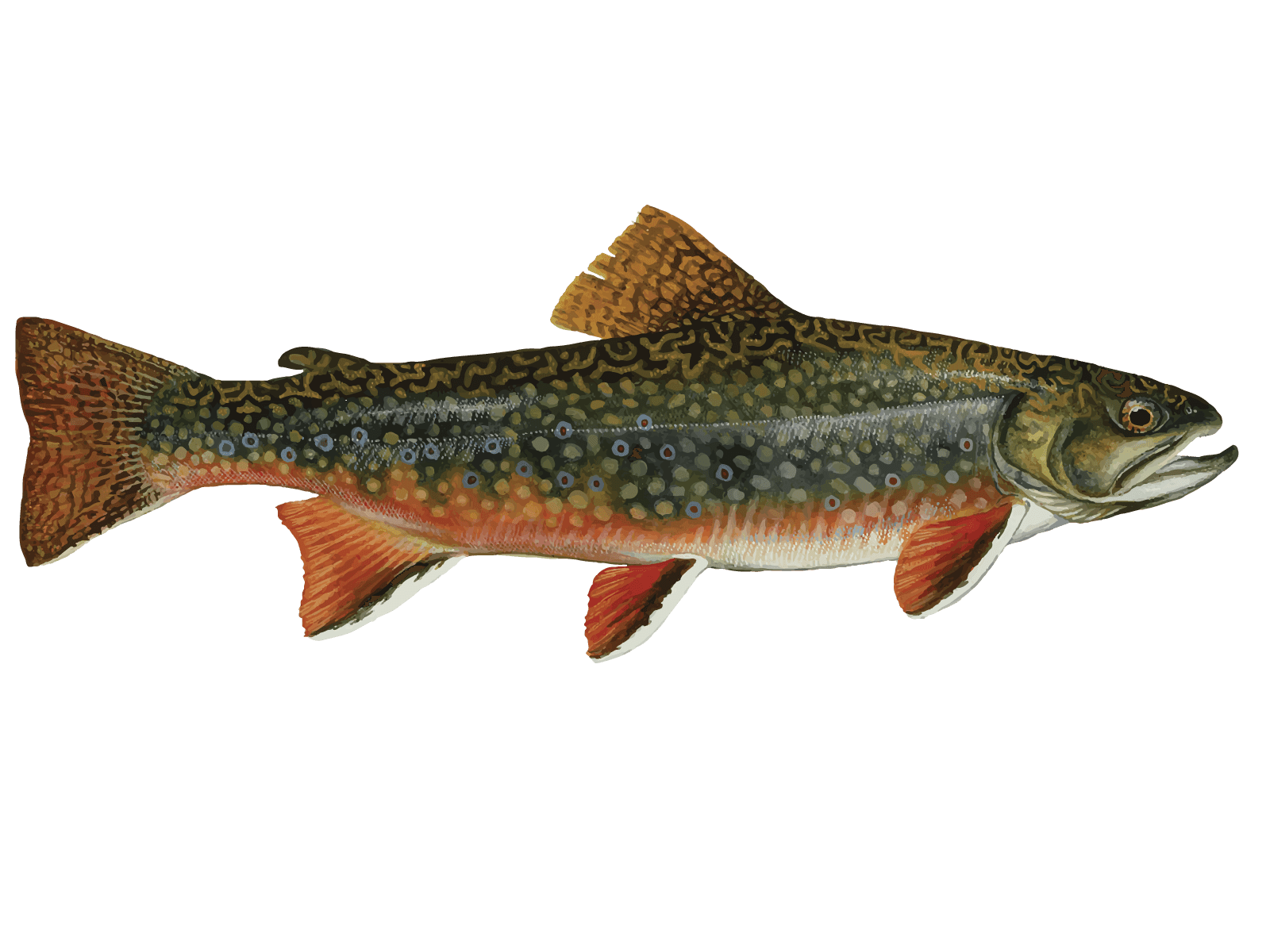
 Brook Trout
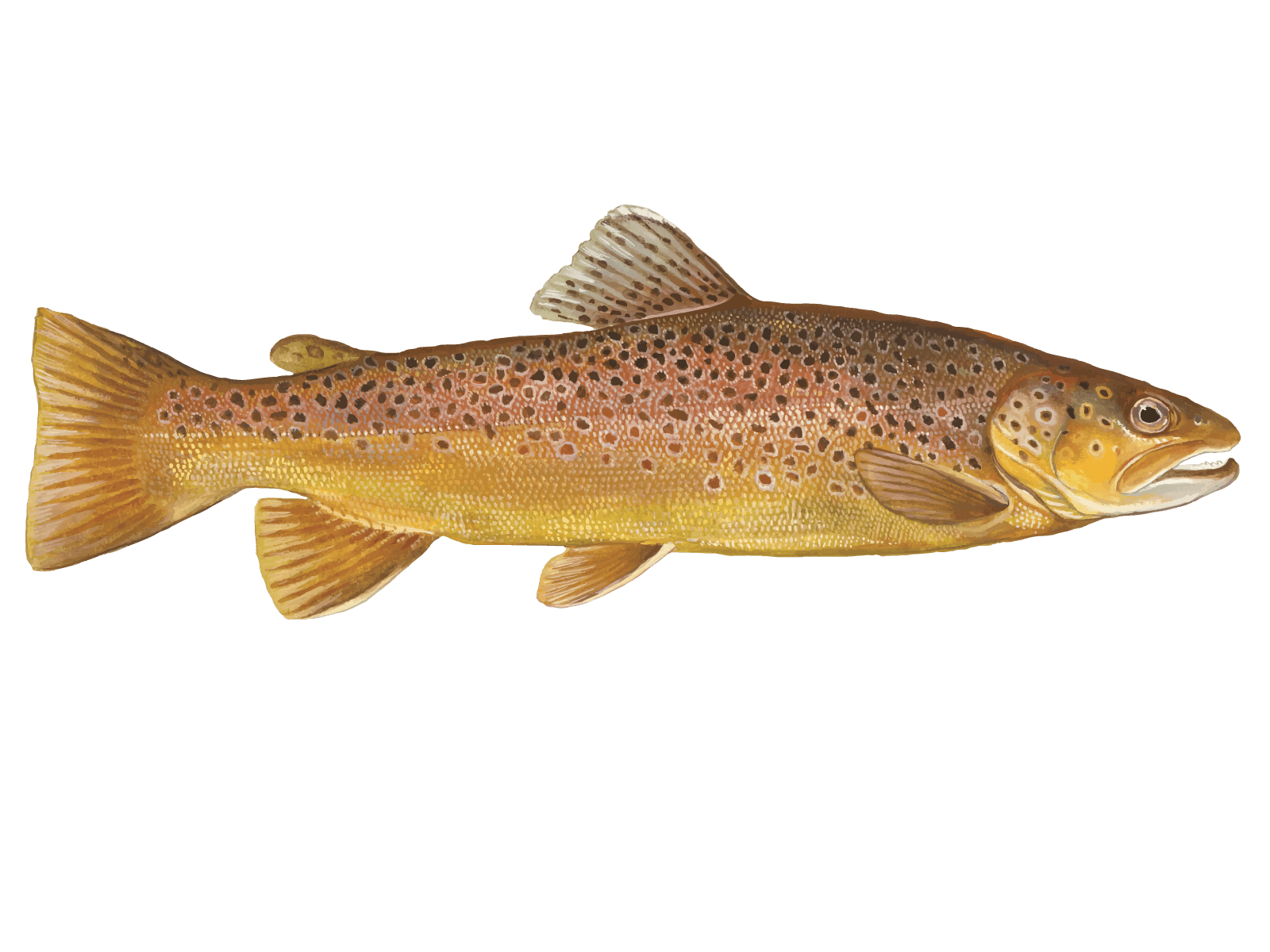
 Brown Trout
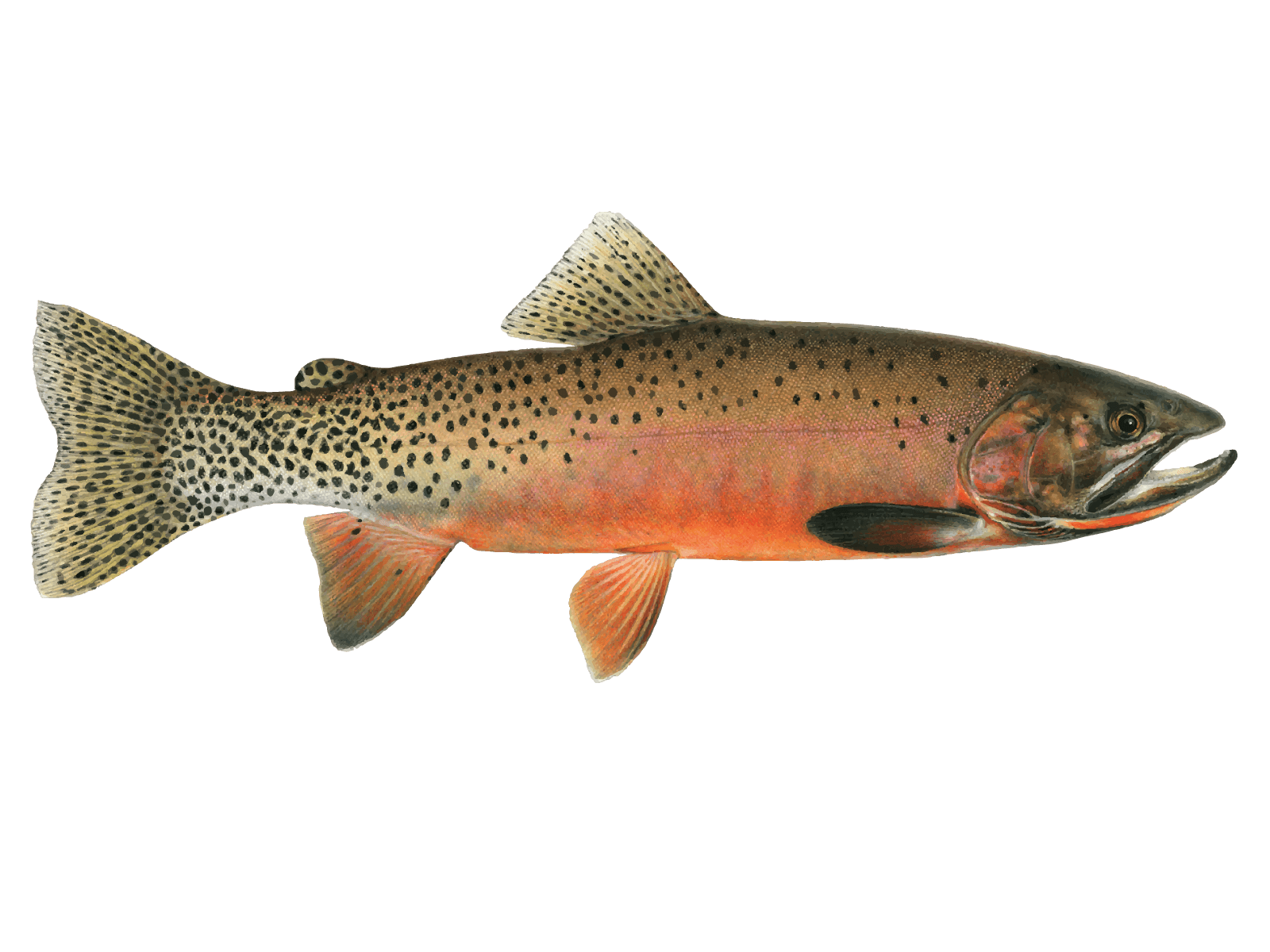
 Cutthroat Trout
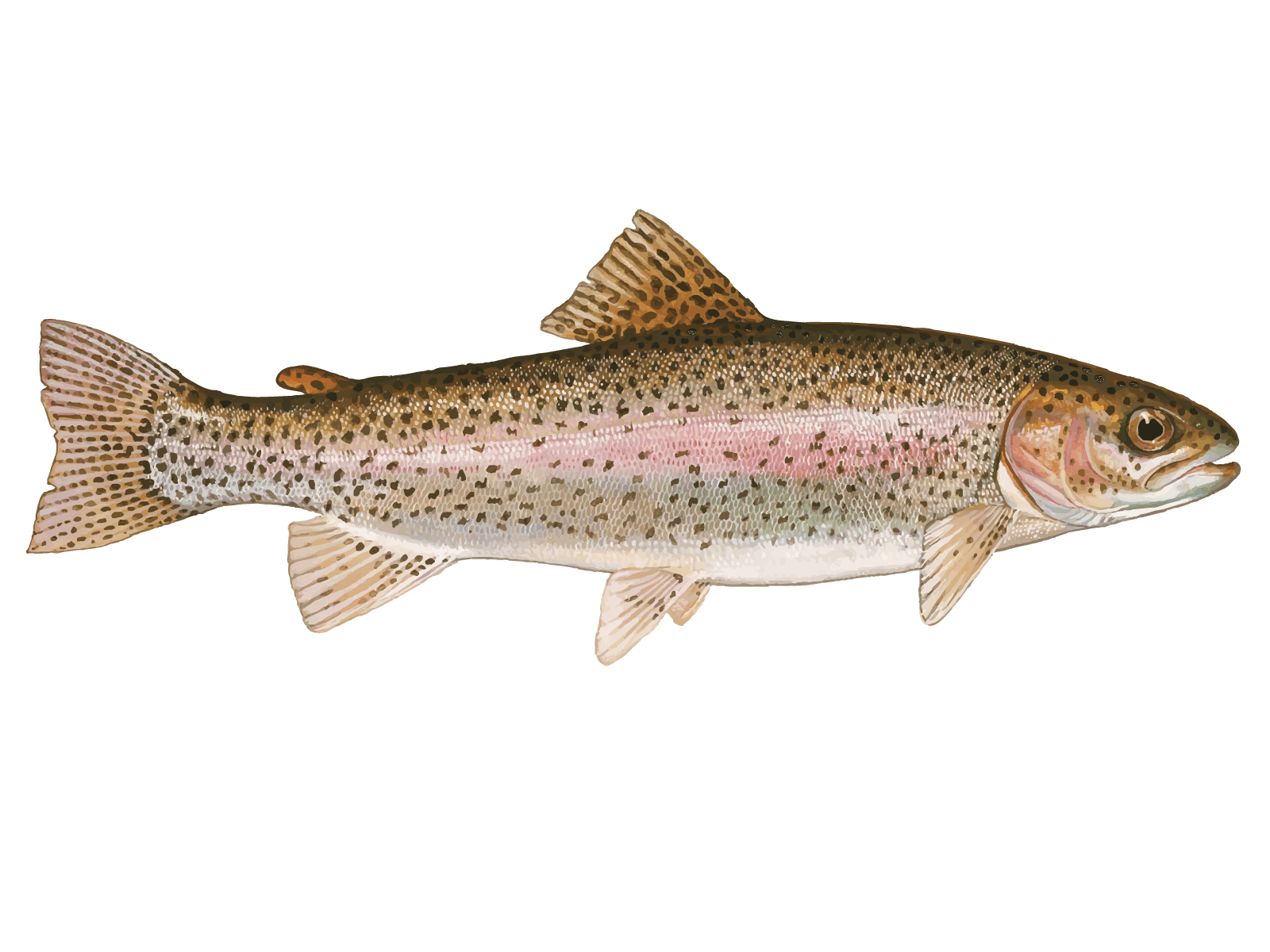
 Rainbow Trout
- Full-day guided trout and smallmouth bass fishing charter
- Professional instruction in casting techniques and water reading skills
- All equipment, gear, and bottled water provided for two anglers
Trip Pricing and Availabilities:
Full Day Pro Trout Fishing on North Fork River
The North Fork River cuts through some of Arkansas' most pristine trout water, and there's no better way to fish it than with guide Clint Wilkinson. This world-class fishery holds some serious trout populations, and Clint knows exactly where they're holding throughout the seasons. You'll spend a full day working the best runs, pools, and eddies that most anglers never see. This isn't a casual float – it's a focused fishing charter designed for serious anglers who want to improve their skills and put multiple species in the net. With room for just two guests, you'll get personalized instruction and plenty of one-on-one time learning techniques that work specifically on Arkansas trout waters.
What to Expect on the Water
Clint launches early to beat the crowds and get you into productive water while the fish are most active. The North Fork maintains consistent cold temperatures year-round thanks to dam releases, creating perfect trout habitat from the headwaters all the way down to the White River confluence. You'll fish from a drift boat, covering miles of prime water while Clint positions you for the best shots at feeding fish. He provides all the gear – rods, reels, flies, and terminal tackle – but feel free to bring your own setup if you prefer. The boat comes stocked with bottled water, but pack your own lunch since this is a full-day adventure. Dress in layers and bring rain gear, because weather on the river can change quickly. Clint's been guiding these waters for years, so he'll adjust techniques and locations based on current conditions, water levels, and what the fish are telling him.
Proven Techniques & Tactics
The North Fork demands versatility, and Clint will have you switching between dry flies, nymphs, and streamers depending on what's working. Early morning often means terrestrial patterns like hoppers and ants, especially during summer months when insects are active. As the day progresses, you might switch to deeper nymphing techniques, working weighted flies through the deeper runs where bigger brown trout like to hold. Clint excels at reading water and will teach you how to identify the subtle current breaks, undercut banks, and structure that consistently hold fish. He's particularly skilled at streamer fishing for aggressive browns and showing guests how to work larger flies that trigger reaction strikes. Whether you're a seasoned fly angler or picking up techniques for the first time, Clint adapts his instruction to match your skill level while pushing you to try new approaches that work specifically on North Fork trout.
Species You'll Want to Hook
Rainbow Trout are the bread and butter of North Fork fishing, with healthy populations of stockers mixing with some wild fish that have incredible fight. These rainbows average 12-16 inches but don't let their size fool you – they'll test your drag and make blistering runs in the current. Spring and fall see the most active feeding, but they're catchable year-round using everything from size 18 midges to larger streamers. Rainbows often feed in the faster water where other trout won't venture, giving you plenty of action throughout the day.
Brown Trout are the prize fish that keep serious anglers coming back to the North Fork. These fish grow larger than the rainbows and develop serious attitudes, often holding in the deepest pools and most complex structure. Fall brings out their aggressive nature as they move into pre-spawn mode, making them susceptible to larger streamers and mouse patterns. Browns typically run 14-20 inches with some real trophies pushing into the mid-twenties. They're notoriously picky eaters during daylight hours, but Clint knows exactly which holes produce and how to present flies that trigger strikes from these wary fish.
Brook Trout represent the wild card in North Fork fishing – they're not as common as rainbows and browns, but when you hook into one, you've caught something special. These beautiful char prefer the coldest, cleanest water and often hold in areas where springs feed into the main river. Brookies rarely exceed 12 inches, but their colors are absolutely stunning with their olive backs, red spots, and bright orange fins. They're aggressive feeders when you find them, often taking dry flies with explosive strikes that seem way too big for their size.
Cutthroat Trout round out the North Fork's diverse fishery, though they're the least common of the four target species. When you do connect with a cutthroat, you're looking at a fish that fights differently than the others – they tend to stay deep and use their broad shoulders to leverage against the current. Cutthroats average similar sizes to the rainbows but have distinctively hooked jaws and the characteristic red slash marks under their throats that give them their name. They're opportunistic feeders that respond well to attractor patterns and larger nymphs worked deep through their preferred holding water.
Time to Book Your Spot
This top-rated Arkansas fishing charter books up quickly, especially during prime seasons when the fishing is at its peak. Clint's reputation for putting clients on fish and providing genuine instruction makes his trips a customer favorite among serious anglers. The North Fork fishes well year-round, but spring and fall offer the most consistent action with comfortable weather conditions. Summer brings excellent dry fly fishing, while winter means fewer crowds and some of the most technical fishing of the year. Remember that deposits are non-refundable, so plan accordingly when you're ready to secure your dates. Whether you're looking to sharpen your skills, learn new techniques, or simply experience some of Arkansas' best trout fishing, this professional charter delivers the goods. Book your North Fork adventure today and get ready for a day of serious fishing with one of the region's most experienced guides.
Learn more about the species
Brook Trout
Brook trout are the jewels of cold-water fishing with their olive backs, yellow spots, and orange fins edged in white and black. These smaller fish typically run 8-15 inches and prefer the coldest, cleanest water under 68°F. Look for them in shallow areas near fallen logs, boulders, and undercut banks in smaller streams and pockets. Fall spawning season brings the most aggressive feeding, but they bite year-round in the right conditions. Anglers love brookies because they're scrappy fighters and absolutely beautiful fish - plus they're native to North America. They're also excellent table fare. Local tip: brook trout spook easily in shallow water, so approach quietly and use a longer rod to place your fly precisely in tight spots without getting too close to them.
Brown Trout
Browns are the smartest and most challenging trout we target, typically running 8-24 inches but capable of much larger sizes. These golden-brown fish with black spots love deeper pools, undercut banks, and fallen timber where they can ambush prey. They're most active during low-light conditions - early morning, evening, and overcast days. Fall is prime time when they feed heavily before spawning. Anglers love browns because they're incredibly strong fighters and notoriously difficult to fool, making them a real trophy fish. They also taste fantastic. Here's a guide secret: browns often hold tight to structure, so don't be afraid to get your fly or lure right against that log or rock pile where other fish won't go.
Cutthroat Trout
Cutthroats are easily identified by those distinctive red slashes under their jaw - that's how they got their name. Size varies widely from 6-40 inches depending on the water, but most run 8-16 inches in our system. They prefer cold, well-oxygenated water and love hiding near vegetation, brush piles, and beaver dams. Spring through early summer offers the best fishing when they're actively feeding on emerging insects. What makes them special is their willingness to take both dry flies and nymphs, plus they fight hard for their size. They're also beautiful fish with varied colors from gray to gold. Pro tip: cutthroats are suckers for matching the hatch - pay attention to what bugs are active and use a good prince nymph or elk hair caddis to imitate them.
Rainbow Trout
Rainbows are the bread and butter of Arkansas trout fishing, running 8-24 inches with that signature pink stripe down their sides. They love cold, clean water around 55-65°F and hang out near gravel beds, undercut banks, and fast-moving currents. Spring through fall gives you the best action, especially during mayfly hatches when they're feeding aggressively near the surface. What makes them special? These fish jump like crazy when hooked and put up a solid fight pound-for-pound. They're also great eating with that mild, nutty flavor. My local trick: watch for rising fish during evening hours and match whatever bugs are coming off the water. A simple elk hair caddis or adams dry fly will usually do the trick when they're looking up.
About the Wilkinson Outdoor Boat
%2F%2Fusers%2F097a12b1-15d7-4655-9aa8-7a9262902f0b%2Fvehicle_picture%2Fclintboat.jpg&w=1920&q=75)
Vehicle Guest Capacity: 2
Manufacturer Name: Mercury
Maximum Cruising Speed: 25
Number of Engines: 1
Horsepower per Engine: 60