%2Ffit-in%2F250x250%2Fguide_websites%2F1257%2Fimages%2Ftemplogossheet.jpg&w=1920&q=100)
/users/097a12b1-15d7-4655-9aa8-7a9262902f0b/ratecard/rainbow-trout-gassville-fishing-mfdnj59r.jpg)
%2F300x300%2Fusers%2F097a12b1-15d7-4655-9aa8-7a9262902f0b%2Fratecard%2Frainbow-trout-gassville-fishing-mfdnj59r.jpg&w=256&q=75)
%2F300x300%2Fusers%2F097a12b1-15d7-4655-9aa8-7a9262902f0b%2Fimages%2Fsea-trout-arkansas-fishing-2413.jpg&w=256&q=75)
%2F300x300%2Fusers%2F097a12b1-15d7-4655-9aa8-7a9262902f0b%2Fimages%2Frainbow-trout-gassville-3153.jpg&w=256&q=75)
%2F300x300%2Fusers%2F097a12b1-15d7-4655-9aa8-7a9262902f0b%2Fimages%2Frainbow-trout-fishing-gassville-3224.jpg&w=256&q=75)
%2F300x300%2Fusers%2F097a12b1-15d7-4655-9aa8-7a9262902f0b%2Fimages%2Ffishing-adventure-gassville-3112.jpg&w=256&q=75)
%2F300x300%2Fusers%2F097a12b1-15d7-4655-9aa8-7a9262902f0b%2Fimages%2Fbest-great-fishing-day-gassville-3102.jpg&w=256&q=75)
%2F300x300%2Fusers%2F097a12b1-15d7-4655-9aa8-7a9262902f0b%2Fimages%2Fgassville-sea-trout-catch-3195.jpg&w=256&q=75)
%2F300x300%2Fusers%2F097a12b1-15d7-4655-9aa8-7a9262902f0b%2Fimages%2Ffishing-adventure-arkansas-2974.jpg&w=256&q=75)
%2F300x300%2Fusers%2F097a12b1-15d7-4655-9aa8-7a9262902f0b%2Fimages%2Ffishing-fun-gassville-3173.jpg&w=256&q=75)
%2F300x300%2Fusers%2F097a12b1-15d7-4655-9aa8-7a9262902f0b%2Fimages%2Frainbow-trout-gassville-fishing-3159.jpg&w=256&q=75)
%2F300x300%2Fusers%2F097a12b1-15d7-4655-9aa8-7a9262902f0b%2Fimages%2Frainbow-trout-arkansas-3159.jpg&w=256&q=75)
Premier North Fork River Trout Fishing Adventure
 Arkansas
What you will be catching:
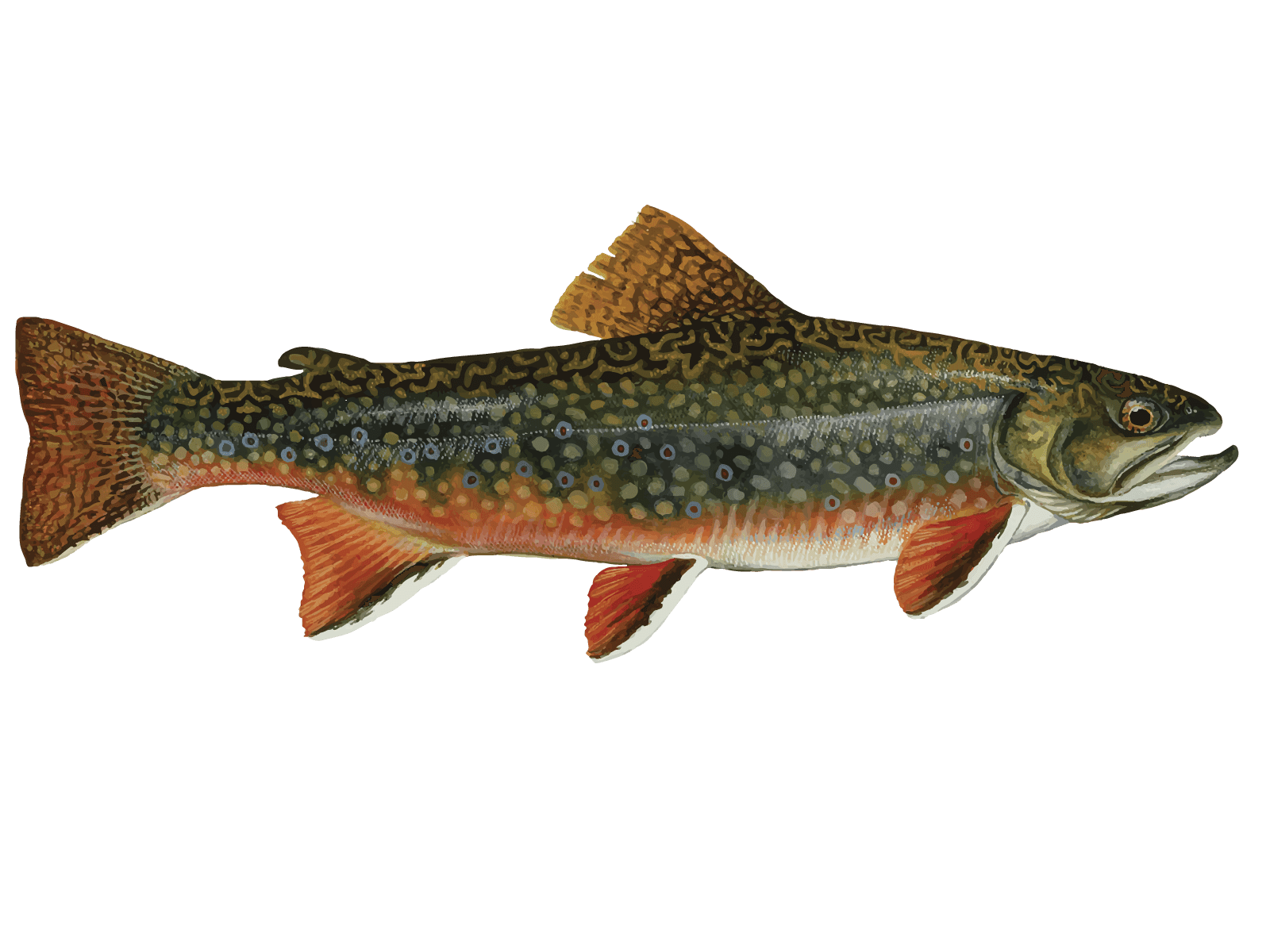
 Brook Trout
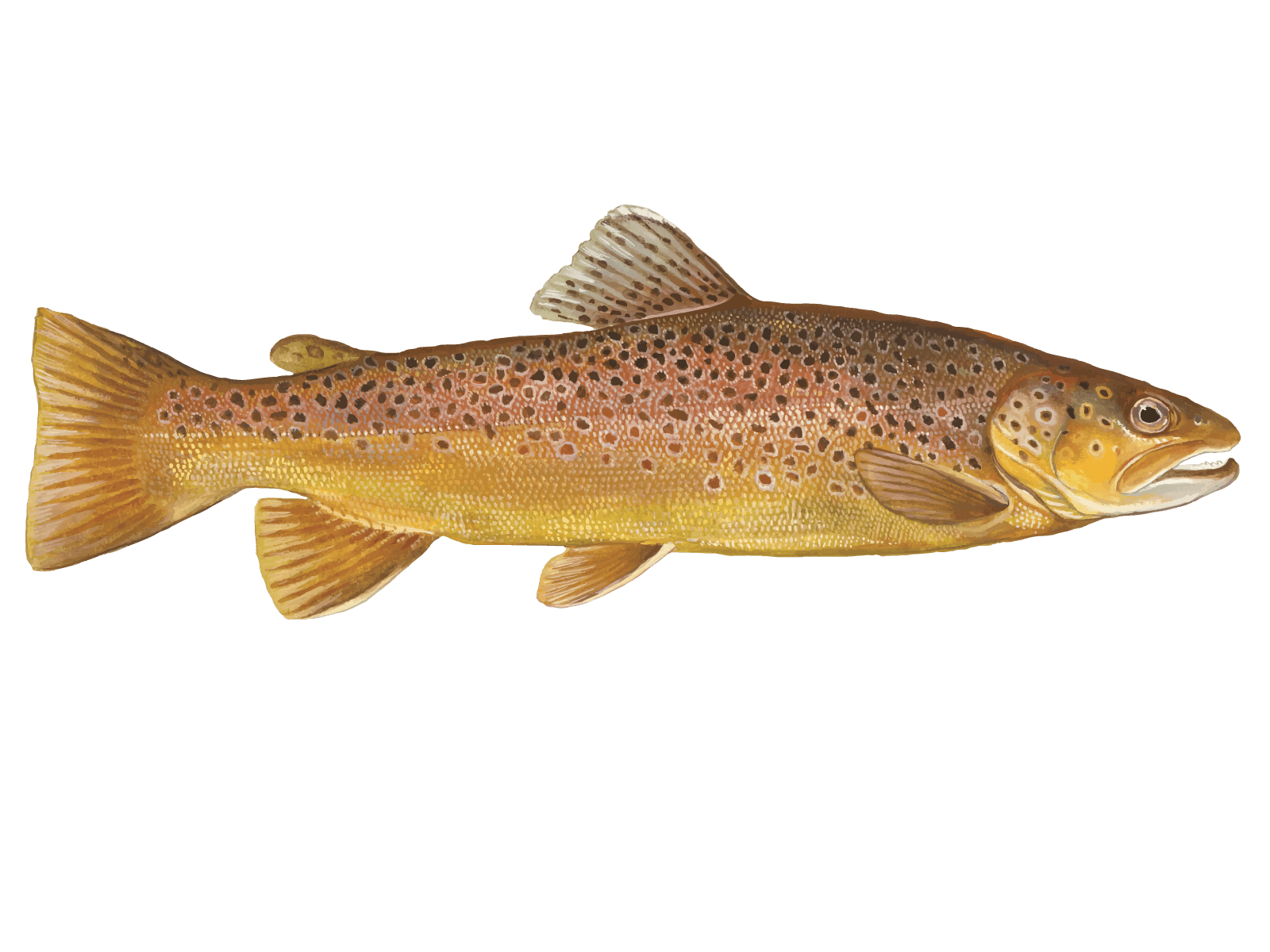
 Brown Trout
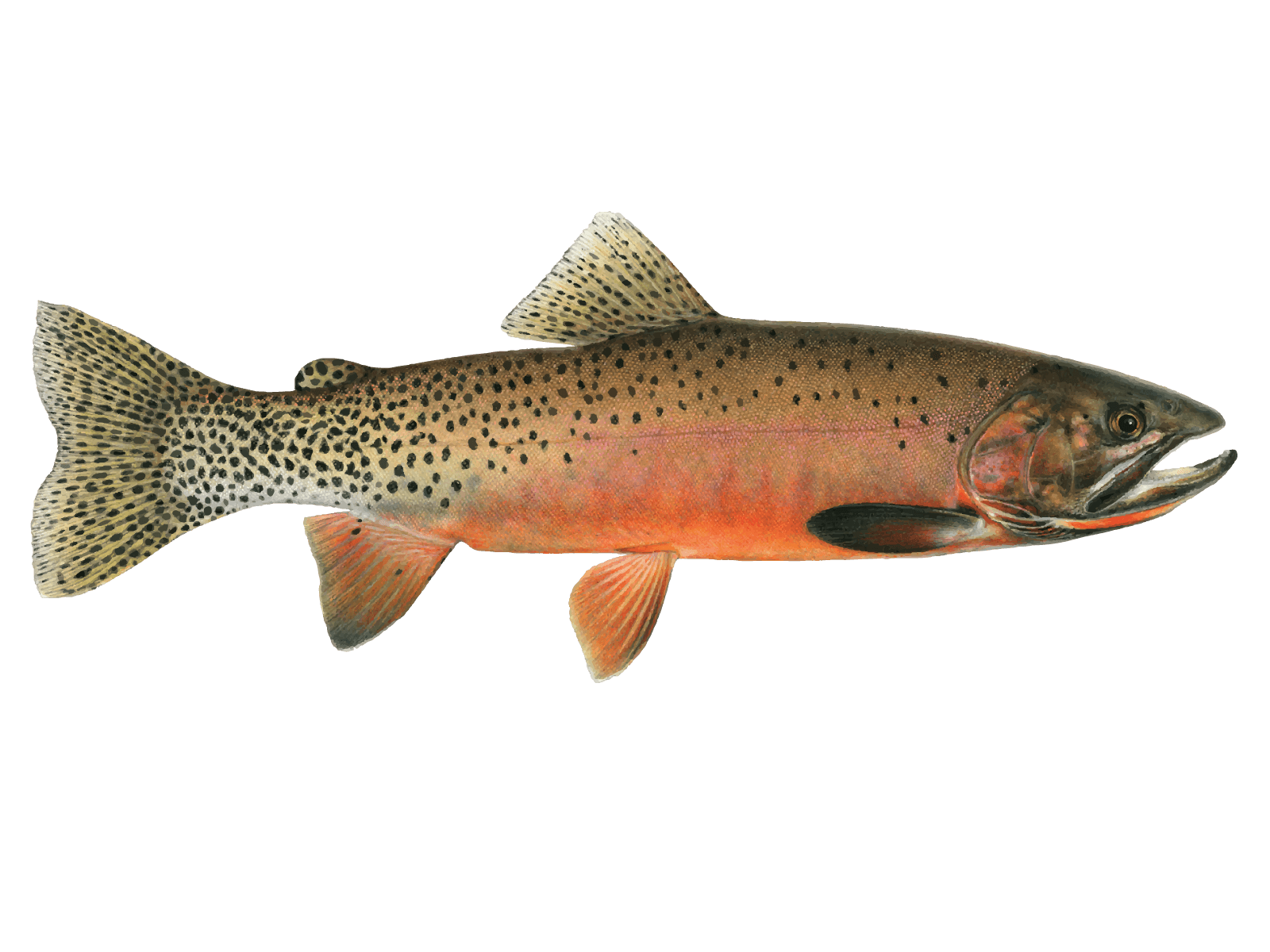
 Cutthroat Trout
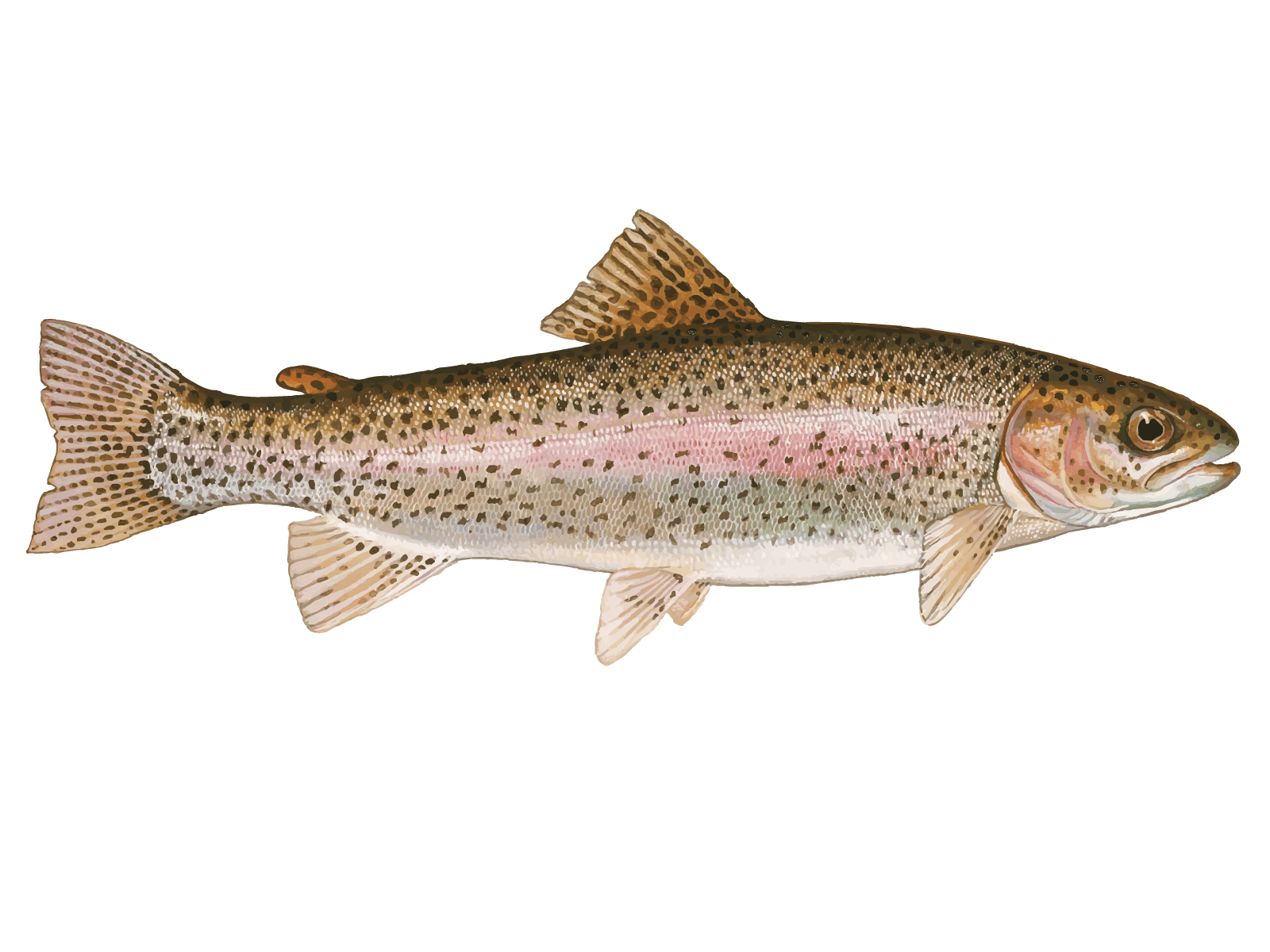
 Rainbow Trout
- Full-day guided trout fishing on Arkansas' North Fork River
- All equipment provided with expert instruction on techniques
- Beginner-friendly targeting Rainbow, Brown, Brook Trout, smallmouth bass
Trip Pricing and Availabilities:
Full Day Trout Fishing on North Fork River
The North Fork River in Arkansas is where serious trout fishing happens, and Clint Wilkinson knows every bend, pool, and riffle like the back of his hand. This full-day adventure puts you right in the heart of some of the state's most productive trout waters, where rainbows, browns, brooks, and even smallmouth bass call home. With just two spots per boat, you're getting personalized attention that makes all the difference between going home empty-handed or with stories that'll last a lifetime. Clint provides everything you need gear-wise, so you can focus on what matters – getting those fish to bite and learning techniques that'll make you a better angler long after you leave Arkansas.
What to Expect on the Water
You'll spend a solid day drifting and wading the North Fork with one of Arkansas' most experienced guides calling the shots. Clint's approach is all about reading the water and putting you where the fish are actually feeding, not just where they look like they should be. The North Fork runs clear and cold year-round, thanks to the White River system's tailwater releases, creating perfect conditions for trout to thrive. You'll work through different sections of river, from deeper pools where big browns like to sulk to faster riffles where rainbows chase nymphs and streamers. The beauty of this trip is that it works for complete beginners and experienced anglers alike – Clint adjusts his instruction to match your skill level, whether you're learning to cast for the first time or fine-tuning your presentation for spooky fish. Pack a lunch because you'll be out there all day, and dress in layers since river temperatures can shift throughout the day.
Techniques & Gear Breakdown
Clint comes prepared with quality rods, reels, and tackle that's specifically chosen for North Fork conditions. You'll likely work with 4-6 weight fly rods most of the day, perfect for the sized fish you're targeting and the water you're covering. The technique focus shifts based on what's happening – nymphing deep pools with weighted flies, dry fly fishing during hatches, or throwing streamers when the fish are aggressive. Clint's not just handing you a rod and pointing downstream; he's showing you how to read water, where trout position themselves in different current types, and how to adjust your approach when conditions change. You'll learn proper casting mechanics, how to mend line to get natural drifts, and the subtle differences in presentation that separate successful days from slow ones. All the flies, leaders, and terminal tackle are included, plus Clint carries backup gear in case something breaks or gets lost to a particularly stubborn fish.
Species You'll Want to Hook
Rainbow Trout are the bread and butter of North Fork fishing, and these aren't your typical hatchery rainbows. The ones living in this system have adapted to wild conditions, making them scrappy fighters that'll test your drag and your patience. They average 12-16 inches but don't be surprised when a 20-incher comes out of nowhere. Rainbows are active year-round here, though they're most aggressive in spring and fall when water temperatures are ideal. What makes them so fun is their willingness to hit both surface flies and subsurface presentations, giving you plenty of opportunities to connect no matter what technique you're using.
Brown Trout are the North Fork's trophies and the fish that'll have you coming back for more. These guys are smart, spooky, and absolutely beautiful when they come to the net. Browns here commonly reach 18-24 inches, with some true giants lurking in the deeper holes and undercut banks. They're most active during low-light periods, so early morning and late afternoon often produce the best brown trout action. What gets anglers fired up about browns is their fighting style – they'll make long, powerful runs and use the current to their advantage, often jumping clear of the water when hooked. Fall is prime time for brown trout as they move into spawning mode and become more territorial and aggressive.
Brook Trout might be the most beautiful fish swimming in Arkansas waters, with their vibrant colors and distinctive white-edged fins. These native char prefer the coldest, cleanest water the North Fork has to offer, usually holding in spring-fed areas and shaded runs. Brooks typically run smaller than rainbows and browns, averaging 8-12 inches, but what they lack in size they make up for in pure wildness. They're incredibly sensitive to water quality, so finding them is always a good sign that you're fishing pristine water. Brook trout are most active during cooler months and can be incredibly selective about fly patterns, making them a technical challenge that rewards careful presentation.
Smallmouth Bass add an exciting twist to North Fork fishing, especially during warmer months when they move into river systems from connected lakes and reservoirs. These bronze-backed fighters are pound-for-pound some of the strongest fish you'll encounter, known for their acrobatic jumps and bulldogging runs. Smallmouth here typically range from 12-16 inches, though larger specimens show up regularly. They're ambush predators that love structure – think rocky ledges, fallen timber, and current breaks where they can dart out to grab passing prey. What makes smallmouth so addictive is their aggressive nature; when they hit, there's no question about it, and they'll fight hard right to the net.
Time to Book Your Spot
The North Fork River offers world-class trout fishing that rivals destinations costing twice as much, and Clint's expertise puts you on fish while teaching skills you'll use for years. This isn't just another guided trip – it's a full day of hands-on education in one of Arkansas' most productive trout waters, with personalized instruction that matches your experience level. Whether you're looking to introduce someone to fly fishing or sharpen your own techniques, this adventure delivers the kind of authentic river experience that keeps anglers coming back season after season. Spots fill up quickly, especially during peak
Learn more about the species
Brook Trout
Brook trout are the jewels of the North Fork with their stunning olive-green backs covered in wavy lines and bright red spots circled in blue. Most run 8-12 inches, but don't let their size fool you - they're feisty little fighters. These native beauties need the cleanest, coldest water, so you'll find them in the upper reaches and spring-fed sections where temps stay below 68°F. Fall and winter are prime time when they're spawning and more aggressive. What makes brookies special is their wild spirit and gorgeous colors - they're like catching a piece of living art. They hit small flies and tiny spinners with surprising aggression. Here's my go-to trick: look for them around fallen logs and boulder pockets in the shallows, and use a light touch - brookies have soft mouths that tear easily.
Brown Trout
Brown trout are the sneaky ones in the North Fork - they average 10-18 inches but can push over 20 if you're lucky. These golden-brown beauties with dark spots are way more cautious than rainbows, preferring deeper pools, undercut banks, and heavy cover during the day. They really come alive in fall and early winter when they get aggressive before spawning. What guests love about browns is the challenge - they're smart fish that test your skills, but when you hook one, they fight hard and make powerful runs. The meat is excellent too, with a rich flavor. Here's a tip that works well on our river: try fishing streamers or woolly buggers tight to the bank structure, especially late in the day when browns start prowling for food.
Cutthroat Trout
Cutthroat trout are a real treat when we encounter them on the North Fork - you'll recognize them by those distinctive red slashes under their jaw that give them their name. They typically run 8-14 inches in our waters and show colors ranging from silver to golden depending on the season. These fish prefer the cleaner, well-oxygenated sections of the river, often hanging around rocky bottoms and areas with good cover like fallen timber or undercut banks. Spring through early fall gives you the best shot at them when water temps are cool. Cutthroats are eager biters compared to browns, making them fun for beginners, and they're beautiful fish that fight well for their size. Pro tip: try smaller nymphs and dry flies that match the local insect hatches - cutthroats are suckers for a well-presented fly.
Rainbow Trout
Rainbow trout are the bread and butter of our North Fork trips, running 12-16 inches on average with that classic pink stripe down their sides. These fish love the cooler water temps we get here, especially in spring and fall when they're most active. You'll find them hanging in moderate currents near gravel bars and rocky structure, but they'll move to deeper pools when it gets warm. What makes rainbows special is their willingness to hit both flies and lures, plus they put up a scrappy fight with some nice jumps. They're also great eating if you decide to keep a few. My local tip: focus on the seam where fast water meets slower current - rainbows love to sit right in that feeding lane where insects get swept down to them.
About the Wilkinson Outdoor Boat
%2F%2Fusers%2F097a12b1-15d7-4655-9aa8-7a9262902f0b%2Fvehicle_picture%2Fclintboat.jpg&w=1920&q=75)
Vehicle Guest Capacity: 2
Manufacturer Name: Mercury
Maximum Cruising Speed: 25
Number of Engines: 1
Horsepower per Engine: 60